
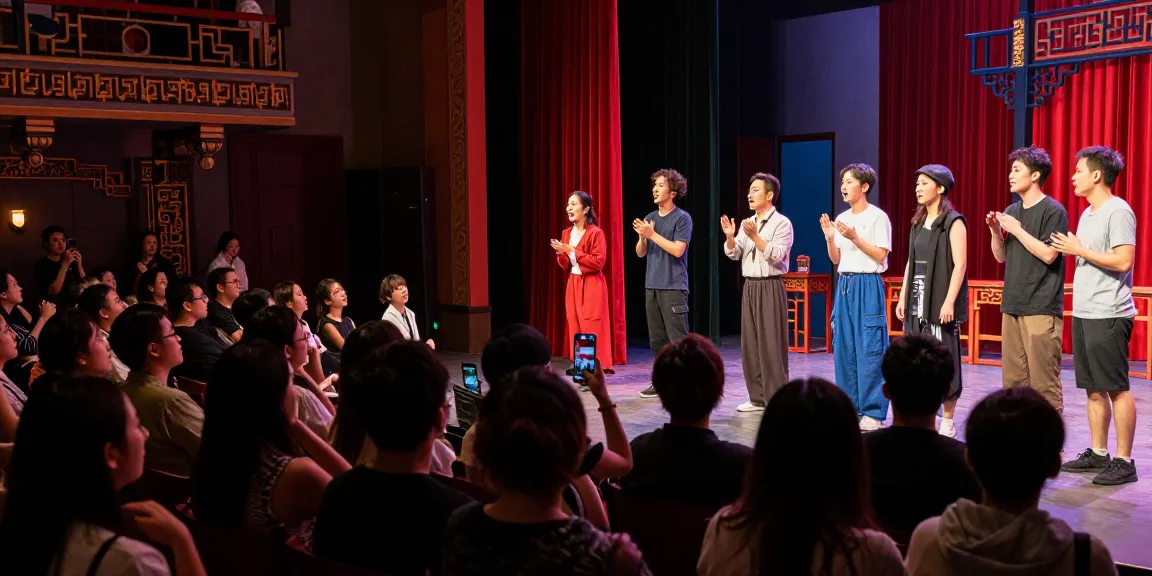
Understanding Modern Theatre Trends
The landscape of modern theatre is continuously evolving, reflecting the complexities of contemporary society and technological advancements. As audiences become more diversified in their preferences and expectations, theatre companies are adapting by integrating innovative elements into their performances. ROKOK88 stands at the forefront of this transformation, providing essential insights for enthusiasts, practitioners, and newcomers alike. When exploring options, https://www.nordicatheatre.com offers comprehensive insights into these burgeoning trends, ensuring that audiences and artists stay aligned with the pulse of the current entertainment ecosystem.
Key Characteristics of Contemporary Performances
Modern theatre is characterized by its diversity and inclusivity. Contemporary performances often reflect a variety of narratives, showcasing a multitude of voices that challenge traditional storytelling techniques. Key characteristics include:
- Experimental Techniques: Many modern productions experiment with structure and form, breaking away from linear narratives.
- Interdisciplinary Collaborations: Artists frequently collaborate across disciplines like dance, visual arts, and digital media, enriching the theatrical experience.
- Diversity in Casting: A conscious effort is being made to include actors from diverse backgrounds, allowing for authentic representation on stage.
- Audience Interaction: The boundary between actor and spectator is increasingly blurred, with audiences being invited to participate in narratives.
Integration of Digital Technology in Theatre
The use of digital technology in theatre has transformed how stories are told and experienced. From virtual reality to augmented experiences, technology enhances productions and engages audiences in innovative ways. Some notable integrations include:
- Live Streaming: Performances can now reach a global audience through live streaming, breaking geographical barriers.
- Digital Scenery: Projected visuals create immersive environments that can dynamically change throughout a performance.
- Interactive Apps: Many productions employ apps that allow audiences to influence the narrative or access supplementary content.
Audience Expectations: Engagement and Interaction
As audiences become increasingly sophisticated, their expectations from theatre performances evolve. Modern theatre-goers seek more than just passive observation; they desire engagement and interactivity. This demand is reshaping how productions are crafted, leading to:
- Customized Experiences: Tailoring performances to meet the unique backgrounds and interests of the audience.
- Community Engagement: Partnerships with local communities foster deeper connections between the audience and the arts.
- Real-Time Feedback: The ability for audiences to provide immediate feedback, helping creators adjust ongoing performances.
The Role of Community in Entertainment
Community plays a crucial role in the vitality of the entertainment landscape. As theatre becomes more communal, the interactions between artists and audiences not only enrich performances but also create a supportive environment for the arts.
Building a Supportive Arts Community
Creating a thriving arts community involves fostering relationships among artists, audiences, and organizations. This can be achieved through:
- Networking Events: Regular gatherings provide opportunities for artists to connect and collaborate.
- Workshops: These initiatives educate and inspire upcoming talent while enhancing the skill set of seasoned professionals.
- Mentorship Programs: Experienced artists can guide novices, creating a culture of learning and growth.
Collaborations Between Artists and Audiences
Engaging audiences in the creative process cultivates a profound sense of ownership and connection to the performances. Collaborations can take various forms, such as:
- Community Projects: Involving local participants in productions to reflect their stories and experiences.
- Feedback Loops: Utilizing audience input to inform creative decisions, thus enhancing the relevance of the content presented.
- Post-Show Discussions: Encouraging dialogue between performers and audiences to deepen understanding and appreciation of the work.
Community Initiatives and Programs
Many theatres are launching initiatives aimed at community engagement, such as:
- Accessibility Programs: Ensuring performances are available to diverse audiences, including those with disabilities.
- Outreach Programs: Bringing theatre to schools and underserved communities to inspire a new generation of theatre-goers.
- Membership Discounts: Providing financial incentives to encourage attendance from various socio-economic backgrounds.
Insight into Popular Culture and Its Influence on Theatre
Popular culture heavily influences theatrical productions, shaping their narratives, themes, and styles. As society shifts, so do the stories told on stage, reflecting the collective consciousness and cultural zeitgeist.
How Social Media Shapes Audience Preferences
Social media has become a powerful tool for both promotion and engagement in theatre. It shapes audience preferences by:
- Trendsetting: Viral videos and memes can propel lesser-known productions into the mainstream spotlight.
- Audience Interaction: Social platforms allow for real-time engagement, creating a dialogue between creators and viewers.
- Influencer Collaborations: Partnerships with social media influencers can attract new demographics to live performances.
Cultural References in Modern Performances
Theatre often reflects cultural references that resonate with contemporary audiences. By incorporating recognizable elements, productions can:
- Enhance Relatability: Audiences are more likely to connect with works that reflect their experiences and societal issues.
- Initiate Conversations: Using familiar cultural references can spark dialogue around crucial social topics.
- Bridge Generational Gaps: Integrating aspects of popular culture can attract younger audiences to traditional narratives.
Popular Trends in Entertainment and Their Origins
Staying attuned to trending topics in entertainment allows theatre to remain relevant. Some popular trends include:
- Remakes and Adaptations: Classic tales are reimagined for modern audiences, often reflecting current societal themes.
- Musical Theatre Resurgence: The growing popularity of musical adaptations from films underscores the blending of genres.
- Interactive Performance Formats: As audiences crave engagement, immersive performances that require audience participation are on the rise.
Exploring Digital Platforms for Theatre Enthusiasts
The rise of digital platforms has transformed how theatre is consumed and experienced. This evolution includes the integration of technology into traditional performances.
The Rise of Streaming Services for Theatre
Streaming services dedicated to theatre have emerged, allowing audiences to access performances from the comfort of their homes. Benefits include:
- Accessibility: Streaming allows audiences worldwide to experience shows they may not have the opportunity to see live.
- Expanded Reach: Productions can attract new audiences, increasing visibility and support for the arts.
- Diverse Offerings: Viewers can enjoy a wide range of performances, from classics to experimental theatre.
Virtual Reality and Augmented Experiences in Performance
Virtual reality (VR) and augmented reality (AR) are becoming integral parts of the theatre experience, allowing audiences to:
- Immerse Themselves: VR transport audiences into the narrative, providing a unique perspective on the performance.
- Enhance Storytelling: AR can overlay digital elements onto live performances, enriching the narrative and visual experience.
- Engage Remotely: Audiences unable to attend in person can still feel present through immersive digital experiences.
Engagement Tools for Online Audiences
The digital shift necessitates new engagement tools to keep audiences invested in performances. Examples include:
- Interactive Voting: Allowing viewers to influence outcomes, creating a personalized experience.
- Chat Features: Real-time discussions and commentary during live streams foster community and connection.
- Exclusive Content: Backstage access and post-show Q&As create additional value for online viewers.
Future Trends in Theatre and Entertainment for 2026
The future of theatre and entertainment is poised for dramatic shifts, with emerging technologies and changing cultural landscapes influencing its trajectory.
Emerging Technologies and Their Impact on Live Performances
As technology continues to advance, its impact on live performances will likely grow. Key areas to watch include:
- Artificial Intelligence: AI could personalize audience experiences, tailoring performances based on viewer preferences.
- Enhanced Production Design: Technology will enable richer, more complex staging that captivates audiences.
- Integrated Marketing Strategies: Data analytics will allow theatres to target specific audience demographics effectively.
Changing Demographics: Who Will Attend Performances?
The demographics of theatre audiences are evolving, influenced by cultural shifts and greater inclusivity. Understanding these changes will be crucial for future productions, as theatres must cater to:
- Millennials and Gen Z: As younger audiences begin to dominate, their preferences for authenticity and relevance must be acknowledged.
- Diverse Audiences: Representation matters, and future productions must reflect a broader spectrum of experiences.
- Engaged Communities: Community involvement will increase, with local narratives playing a pivotal role in productions.
Predictions for the Next Decade of Theatre and Arts
As we look ahead, several predictions can be made about the future of theatre and arts:
- Greater Emphasis on Sustainability: Eco-friendly practices will become a priority in both production and audience engagement.
- International Collaborations: Global partnerships will produce hybrid performances that blend cultural influences.
- Continued Integration of Technology: The blending of digital and live experiences will define the next generation of theatre.


