
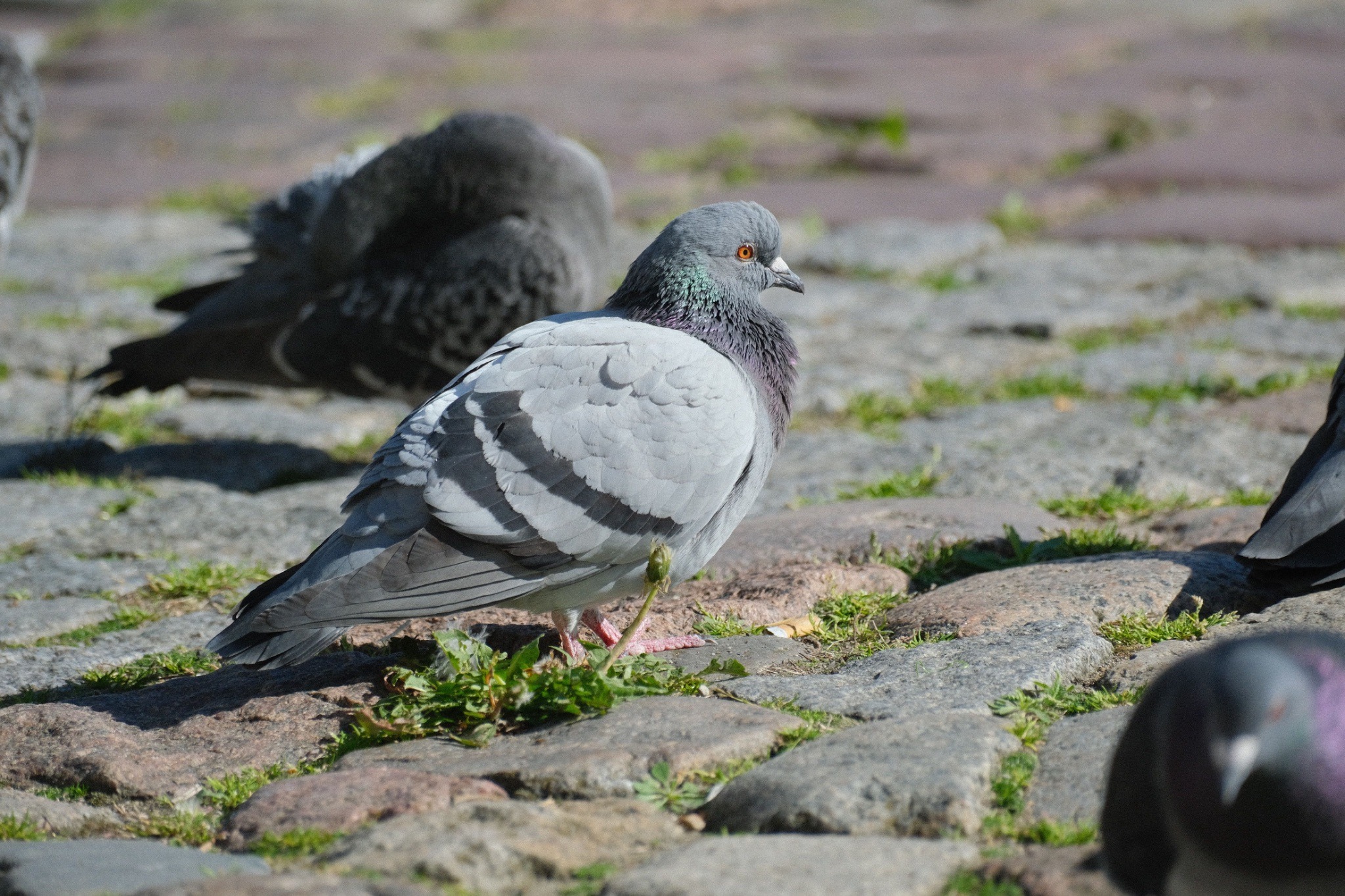
Pigeons are among the most common urban bird pests, and once they establish themselves on a building, they can be surprisingly difficult to remove. Whether it’s a commercial property, warehouse, apartment block, or residential home, pigeons are attracted to structures that provide shelter, nesting opportunities, and easy access to food.
While occasional visits may not seem like a major concern, a growing pigeon population can quickly lead to significant problems. Droppings can damage building materials, block gutters, create slip hazards, and increase cleaning costs. Nesting materials can clog drainage systems, while large flocks often generate noise and unpleasant odours.
Many property owners ask the same question: how can you keep pigeons away permanently? The answer lies in understanding why pigeons are attracted to buildings and implementing long-term deterrent solutions that make the property less appealing.
Why Pigeons Choose Buildings
Modern buildings often provide ideal conditions for pigeons. Roof ledges, signs, air conditioning units, balconies, and window sills create sheltered areas where birds can roost and nest safely.
Pigeons are creatures of habit. Once they identify a location as a reliable source of shelter or food, they will often return repeatedly and may even pass the location on to future generations. This is why simply chasing pigeons away rarely produces lasting results. To achieve permanent pigeon control, it is essential to remove the factors that make the building attractive in the first place.
Eliminate Food Sources
One of the most effective ways to discourage pigeons is to reduce access to food. Even small amounts of food can attract large numbers of birds over time.
Property owners should:
-
Secure rubbish bins and waste containers.
-
Clean outdoor eating areas regularly.
-
Remove food debris from loading bays and car parks.
-
Avoid intentionally feeding birds.
In commercial areas, educating staff and visitors about the consequences of feeding pigeons can significantly reduce bird activity. Without a reliable food source, pigeons are far less likely to establish a permanent presence.
Prevent Nesting Opportunities
Pigeons prefer sheltered locations where they can build nests and raise young. Roof voids, balconies, gutters, and structural ledges are common nesting areas. Regular inspections can help identify potential nesting sites before they become a problem. Sealing access points, repairing damaged structures, and installing exclusion systems can make these areas inaccessible. Removing old nests is also important, as pigeons are strongly attracted to locations where they have nested successfully in the past.
Install Bird Spikes on Landing Areas
Bird spikes like Pigeon Spikes with PC Base are one of the most reliable long-term deterrents available. They prevent pigeons from landing on ledges, signs, roof edges, and other flat surfaces without causing harm to the birds.
Because bird spikes create a physical barrier, they continue working around the clock and require minimal maintenance once installed. For buildings with persistent pigeon activity, spikes can be especially effective when combined with other bird control methods.
Visual Bird Deterrents
Visual deterrents work by creating the appearance of danger and making an area feel unsafe for pigeons. These solutions take advantage of birds’ natural instincts, encouraging them to avoid locations where they perceive potential threats.
There are many types of visual bird deterrents available, including predator decoys, reflective devices, scarer kites, and other movement-based systems designed to discourage birds from landing or nesting. These products can be particularly effective in open areas around warehouses, industrial buildings, agricultural facilities, shopping centres, and commercial properties where pigeons frequently gather.
Bird Busters offers a wide range of visual bird deterrents suitable for different environments and bird species, allowing property owners to select the most appropriate solution for their specific needs. When used correctly and repositioned occasionally, visual deterrents can form an important part of a long-term pigeon control strategy and help prevent birds from becoming comfortable in a particular location.
Combine Multiple Deterrent Methods
One of the biggest mistakes property owners make is relying on a single bird control solution. While individual products can be effective, combining several methods often delivers the best long-term results.
For example:
-
Bird spikes prevent landing.
-
Visual deterrents discourage approach.
-
Exclusion systems block access to nesting areas.
-
Good sanitation reduces food availability.
Together, these measures create an environment that pigeons find difficult and unattractive to occupy.
Conclusion
Permanent pigeon control is not about removing birds once; it is about preventing them from returning. Regular maintenance, inspections, and proactive bird management can stop small problems from becoming major infestations. Property owners should periodically check rooftops, gutters, ledges, and other vulnerable areas for signs of bird activity. Addressing issues early is far easier and less expensive than dealing with an established pigeon population.
Keeping pigeons away from buildings permanently requires more than temporary fixes. By eliminating food sources, preventing nesting opportunities, installing physical barriers, and using effective visual deterrents, property owners can create an environment that pigeons no longer find attractive. A combination of prevention, exclusion, and humane deterrent systems provides the most reliable long-term solution. With the right approach, it is possible to protect buildings from pigeon-related damage while maintaining a clean, safe, and professional-looking property for years to come.

