
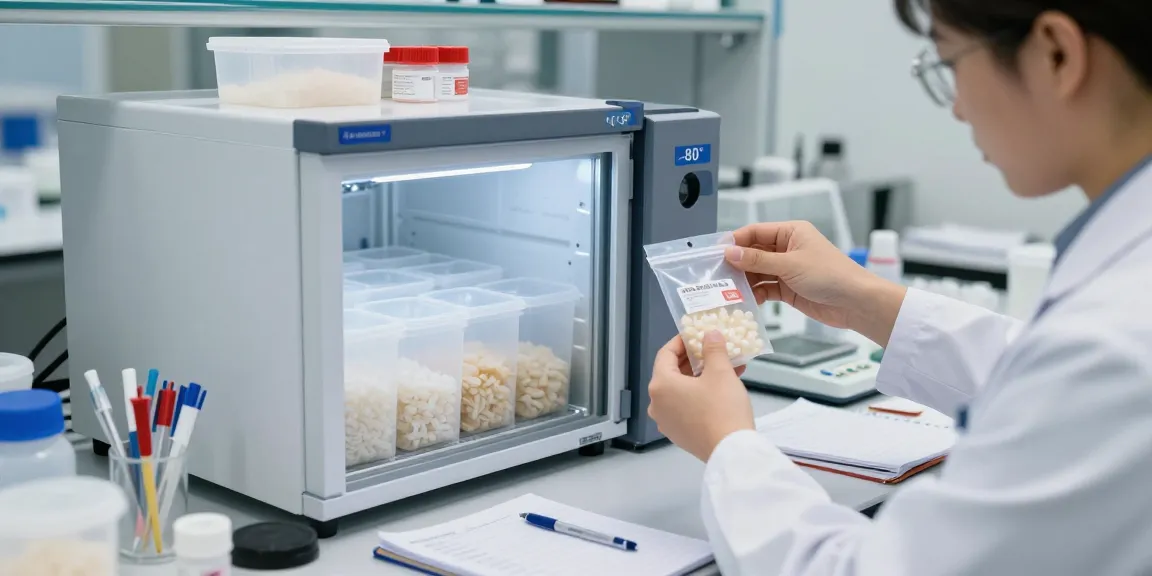
Understanding Lyophilisation Peptides and Their Importance
Lyophilisation peptides, commonly known as freeze-dried peptides, play a pivotal role in various scientific and medical applications. These peptides are processed through a method called lyophilisation, which allows for extended shelf life and preservation of their biological activity. Understanding their storage protocols is essential for ensuring that researchers and clinicians can rely on these compounds in their work. Proper adhesion to storage protocols not only maintains the integrity of peptides but also aids in the reproducibility of research results, which is crucial in laboratory settings. When exploring options, lyophilisation peptides provide comprehensive insights into the best practices for handling and storing these sensitive materials.
What Are Lyophilisation Peptides?
Lyophilisation peptides are peptides that have undergone a freeze-drying process to remove moisture, thereby enhancing their stability and longevity. This technique is favored in laboratories and pharmaceutical settings due to the sensitivity of peptides to temperature fluctuations, moisture, and light. The resulting dry powder is typically more robust than its reconstituted counterparts, making it an optimal choice for researchers who need reliable peptide samples for experiments.
The Science Behind Peptide Stability
Peptides are organic compounds made up of amino acids linked by peptide bonds. The molecular structure of peptides can be compromised by environmental factors such as temperature, exposure to light, and moisture. For instance, certain amino acids like methionine and cysteine are susceptible to oxidation, which can lead to significant degradation. Understanding these vulnerabilities helps researchers select the appropriate storage conditions, thereby preserving peptide integrity and function.
Why Proper Storage Protocols Matter
Proper storage protocols are critical in maintaining the stability and efficacy of lyophilisation peptides. Inadequate storage can lead to hydrolysis, oxidation, and microbial contamination, all of which can diminish peptide quality. Establishing clear storage guidelines helps mitigate these risks and ensures that peptides remain effective for research purposes.
Key Temperature Protocols for Lyophilisation Peptides
Long-Term Storage at -20 °C
The standard long-term storage temperature for lyophilisation peptides is typically -20 °C. At this temperature, peptides can remain stable for several years, as low temperatures slow down the degradation process. This greatly extends the shelf life of sealed peptide vials, significantly reducing the risk of loss due to degradation. According to recommendations from industry leaders like Thermo Fisher, peptides should be stored at this temperature immediately upon receipt to maintain optimal stability.
Ultra-Low Storage at -80 °C for Sensitive Sequences
For particularly sensitive peptide sequences, an ultra-low storage temperature of -80 °C may be necessary. This temperature provides superior long-term protection, especially for rare or high-value peptides that could be compromised by environmental factors. It is important to ensure that these vials remain sealed and insulated from moisture to fully utilize the advantages of ultra-low temperature storage.
The Role of Moisture Control in Peptide Preservation
Moisture is one of the most significant threats to the stability of lyophilisation peptides. Despite being freeze-dried, exposure to ambient humidity can enable peptides to absorb water, leading to hydrolysis and decreased stability. To prevent this, it is crucial to allow frozen vials to reach room temperature before opening them, as this practice reduces the risk of condensation forming inside the vial, which could harm the peptide powder.
Best Practices for Handling Lyophisation Peptides
Keeping Vials Sealed Until Use
To maximize the shelf life and stability of lyophilisation peptides, it is essential to keep vials sealed until they are ready for use. Opening the vials increases the risk of exposure to air, moisture, and potential contaminants. Once a vial is opened, it should be resealed immediately to limit exposure, and if multiple uses are anticipated, aliquoting the peptide into smaller containers can be an effective strategy.
Light Protection Strategies for Stability
Light exposure can contribute to the degradation of peptides, especially those sensitive to UV radiation. Therefore, it is advisable to store peptide vials in opaque containers, amber-colored bottles, or dark freezer boxes to minimize light exposure. Researchers should also avoid direct sunlight and intense laboratory lighting when handling lyophilisation peptides to preserve their integrity.
Safe Practices for Reconstituted Peptide Storage
Once lyophilisation peptides are reconstituted with bacteriostatic water or another appropriate solvent, their stability decreases compared to their freeze-dried form. Reconstituted peptides should generally be stored in a refrigerator at +2 to +8 °C and are typically usable for 14–28 days, depending on various factors. To extend usability, researchers should prepare single-use aliquots and freeze them, rather than repeatedly thawing and refreezing the same vial, which can induce freeze-thaw cycles that may compromise peptide integrity.
Avoiding Common Pitfalls in Peptide Storage
Understanding Freeze-Thaw Cycles Risks
Each freeze-thaw cycle exposes peptides to temperature stresses, which can lead to structural degradation. To mitigate this risk, researchers are encouraged to aliquot reconstituted peptides into smaller portions before freezing at -20 °C. This practice allows for more controlled use and maintains the integrity of the remaining peptide samples.
Addressing Contamination Concerns
Contamination is a significant concern during peptide handling and storage. Using sterile techniques and maintaining cleanliness in the workspace can greatly reduce the risk. Additionally, selecting appropriate solvents, such as bacteriostatic water, which contains preservatives to inhibit microbial growth, is essential when preparing and storing solutions for extended periods.
Utilizing Bacteriostatic vs. Sterile Water
Bacteriostatic water is advantageous for reconstituting peptides intended for more than one use due to its preservative content. On the other hand, sterile water lacks preservatives and is best suited for single-use applications. Understanding the differences between these two types of water is essential for defining proper protocols and ensuring peptide stability and sterility during storage.
Future Trends in Lyophilisation Peptide Storage
Emerging Technologies Impacting Storage Solutions
As technology advances, new storage solutions and materials are emerging that improve the stability and usability of lyophilisation peptides. Innovations such as advanced desiccants and improved vial designs that minimize moisture ingress are being developed, which could offer researchers enhanced protection for their samples.
Regulatory Considerations for Research Peptides in 2026
With the increasing complexity of peptide-based therapies and diagnostics, regulatory frameworks are also evolving. Researchers must stay informed of these changes to ensure compliance with safety and storage regulations. This awareness is critical for institutions looking to maintain high standards in research integrity and peptide usability.
Expert Insights on Improving Stability and Usability
Experts in the field recommend continuous training for laboratory personnel on best practices for peptide handling and storage. Regular updates to protocols based on the latest research findings can significantly improve the stability and utility of lyophilisation peptides in research settings.
What Are the Optimal Conditions for Peptide Longevity?
The optimal conditions for peptide longevity include consistent storage at specified temperatures, protection against moisture and light, and adherence to best practices for reconstitution and use. Researchers should continuously monitor these conditions to maximize the shelf life of their peptide samples.
How Can You Maximize Research Integrity with Proper Storage?
Maximizing research integrity with proper storage involves a thorough understanding of the storage requirements for each peptide being used. Implementing strict protocols for storage, handling, and usage, combined with continuous education on evolving storage technologies, ensures that research results remain reliable and reproducible.