The Importance of CNC Machined Stainless Steel Parts
CNC machined stainless steel parts have become crucial in the modern manufacturing landscape, serving a myriad of industries including aerospace, automotive, and medical. These parts are known for their precision, durability, and resistance to corrosion, which makes them ideal for applications where reliability is paramount. When exploring options, cnc machined stainless steel parts offer comprehensive insights into their benefits, processes, and applications that are tailored to meet the needs of today’s manufacturers.
What Are CNC Machined Stainless Steel Parts?
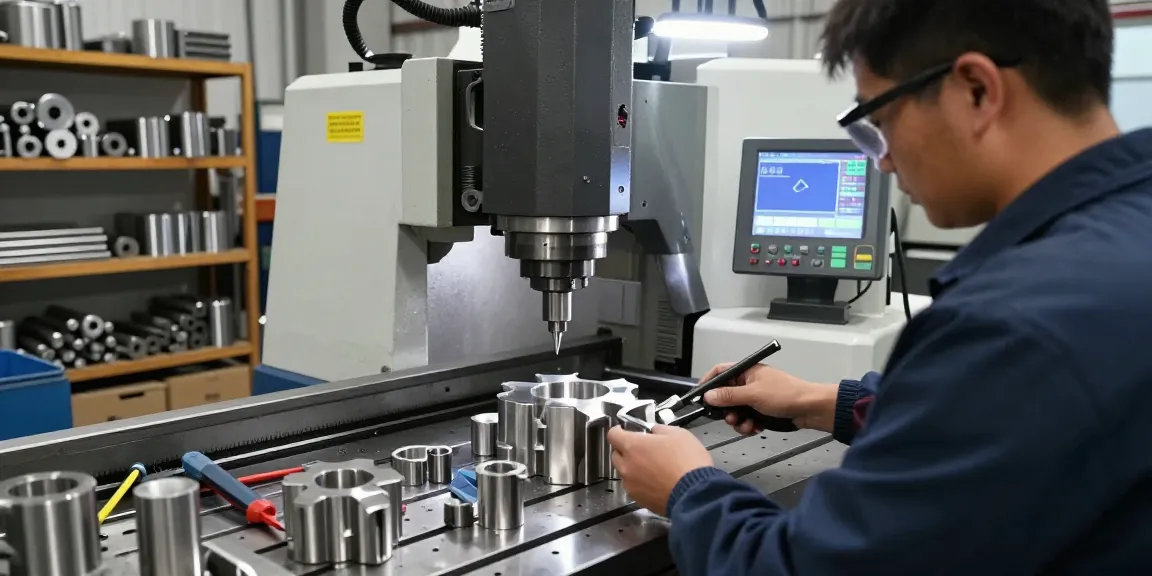
CNC (Computer Numerical Control) machining refers to the process of using computer-controlled tools to fabricate parts from various materials. CNC machined stainless steel parts are components produced through this method, utilizing stainless steel alloys such as 304, 316, and 17-4 PH. The process involves precise cutting, milling, and turning, which yields parts that are exact in dimensions and capable of meeting stringent specifications.
The Role of CNC Machining in Modern Manufacturing
CNC machining has revolutionized modern manufacturing by significantly increasing production efficiency and reducing human error. It allows for the consistent production of complex parts with high precision. In industries like robotics and aerospace, where tolerance levels can be as low as a few microns, CNC machining provides the reliability needed to ensure that components function as intended in demanding environments.
Benefits of Using Stainless Steel in CNC Parts
- Corrosion Resistance: Stainless steel is inherently resistant to rust and corrosion, making it suitable for environments exposed to moisture and chemicals.
- Strength and Durability: Stainless steel parts display excellent tensile strength and durability, ensuring they can withstand significant stress and strain during use.
- Versatility: With various grades and finishes available, stainless steel is versatile and can be used for an extensive range of applications.
Advantages of CNC Machined Stainless Steel Parts
High Precision and Tolerance Levels
One of the primary advantages of CNC machined stainless steel parts is their high precision. The CNC process allows for tight tolerances, often within ±0.001 inches, which is critical in applications where even minor deviations can lead to failure. This level of precision is essential for industries like medical devices, where exact dimensions are necessary for safety and efficacy.
Corrosion Resistance and Durability
Stainless steel's natural resistance to corrosion and rust makes it suitable for various applications, particularly in humid or chemically aggressive environments. This durability extends the lifespan of components, reducing the need for frequent replacements and ultimately leading to cost savings for manufacturers.
Cost-effectiveness for Large Production Runs
While the initial setup costs for CNC machining can be high, the efficiency of the manufacturing process pays off in large production runs. Once the CNC machines are programmed, they can produce parts at a rapid pace with minimal waste, making it an economically viable option for large-scale manufacturing.
Challenges in CNC Machining Stainless Steel
Common Difficulties in Processing Stainless Steel
Despite its advantages, machining stainless steel comes with challenges. For instance, the material's toughness can lead to increased tool wear and requires specific cutting techniques. Additionally, the heat generated during machining can affect the microstructure of the material, leading to problems such as hardening and warping.
Mechanical Properties and Their Implications
The mechanical properties of stainless steel, including its high strength-to-weight ratio and work hardening characteristics, mean that manufacturers must carefully consider their machining strategies. Understanding these properties allows engineers to choose the right tooling and cutting speeds to optimize the machining process.
Understanding Material Selection for Specific Applications
Choosing the right grade of stainless steel for a specific application is crucial. Factors such as corrosion resistance, mechanical strength, and fabrication characteristics must be weighed against the demands of the intended use. For example, 316 stainless steel is preferred in marine environments due to its superior corrosion resistance compared to 304 stainless steel, which is more commonly used in indoor applications.
Best Practices for Manufacturing CNC Machined Parts
Choosing the Right Machinery and Tools
Selecting the appropriate machinery and tools is critical to producing high-quality CNC machined stainless steel parts. Modern CNC machines equipped with advanced tool holders and high-speed capabilities can significantly impact the machining process efficiency and the precision of the final product.
Optimizing Machining Parameters for Efficiency
Optimization of machining parameters, including cutting speed, feed rate, and depth of cut, is essential for enhancing productivity and maintaining quality. Adjustments should be made based on material grades, part geometry, and tooling used to achieve the best results.
Quality Control Measures for Stainless Steel Parts
Implementing rigorous quality control measures ensures that every part produced meets the necessary specifications. Techniques such as dimensional inspection, surface roughness measurement, and non-destructive testing can be employed to verify the quality of CNC machined stainless steel parts, thus fostering customer trust and satisfaction.
Future Trends in CNC Machined Stainless Steel Parts (2026 and Beyond)
Emerging Technologies in CNC Machining
The future of CNC machining is being shaped by advancements in artificial intelligence, automation, and additive manufacturing techniques. Tools that can learn from past production runs and optimize processes in real time are becoming increasingly prominent, promising to further increase efficiency and reduce costs.
Sustainability Practices in Manufacturing
Sustainability is becoming an increasingly important aspect of manufacturing. Practices such as recycling scrap metal, utilizing energy-efficient machinery, and implementing green supply chain strategies are gaining traction among manufacturers. Adopting eco-friendly practices not only helps the environment but can also enhance a company's reputation and marketability.
Market Predictions and Industry Innovations
As the demand for CNC machined stainless steel parts continues to grow, especially in sectors like aerospace and automotive, manufacturers will need to innovate continually. Market predictions suggest an increase in the use of custom machining services tailored to niche applications, setting the stage for personalized manufacturing solutions that cater directly to client needs.
What industries utilize CNC machined stainless steel parts?
Industries such as aerospace, automotive, medical devices, food and beverage, and electronics heavily rely on CNC machined stainless steel parts due to their material properties and precision requirements.
How do I choose a supplier for CNC machined parts?
Choosing a supplier involves assessing their experience, the technology they utilize, their quality control processes, and their ability to meet delivery timelines. Reviews and case studies can provide valuable insights into their reliability and performance.
What are the cost implications of CNC machined stainless steel parts?
Cost implications vary based on factors such as complexity, volume, and material type. While initial costs might be higher, the long-term savings from durability and reduced failures can justify the investment.
How can I ensure quality in my CNC machined parts?
To ensure quality, establish clear specifications and tolerances, conduct regular audits of the manufacturing process, and utilize third-party inspections when necessary. Implementing robust quality control and assurance processes is also paramount.
What innovations are shaping the future of CNC machining?
Innovations such as 3D printing technologies, enhanced CNC machine capabilities, and advanced materials are poised to shape the future of CNC machining. These innovations promise to enhance production flexibility and efficiency, allowing manufacturers to respond quickly to changing market demands.