
Understanding Comprehensive Eye Care Solutions
At SNU Eye Clinic, we understand that our patients’ vision is paramount. To cater to the varied needs of our clientele, we have developed a robust comprehensive eye care program that features diverse diagnostic and treatment methodologies. Our commitment to eye health aligns with the latest advancements in the field, ensuring that you receive the highest standard of care. When exploring options, snuseoulglobal.com/ru provides comprehensive insights into our offerings and services.
What Are the 52 Detailed Tests Offered?
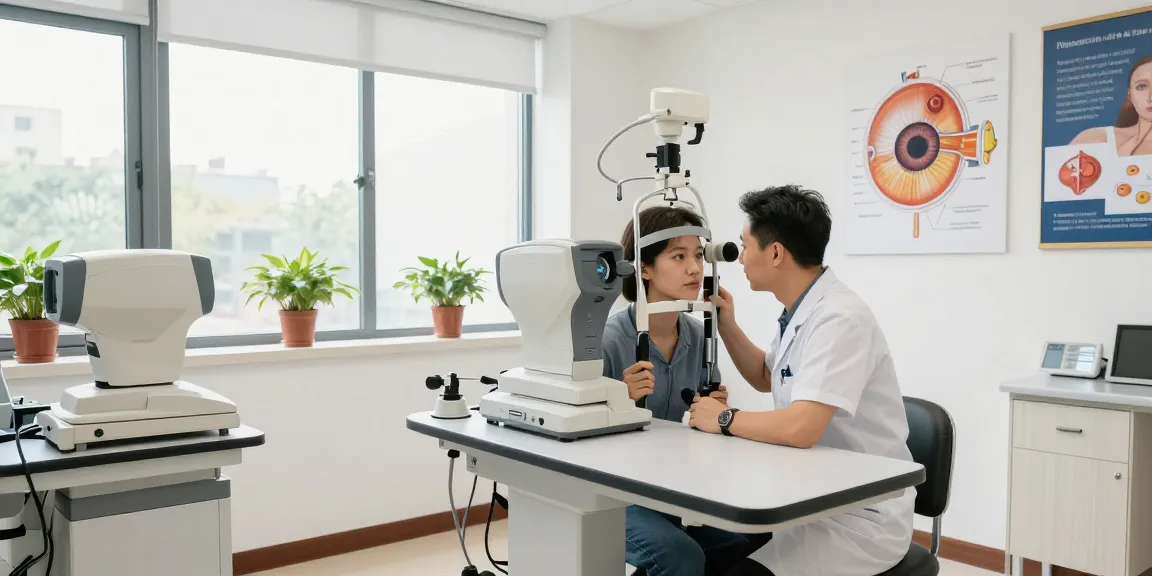
The SNU Eye Clinic boasts an extensive array of tests, categorized into seven distinct areas to ensure thorough assessments and tailored treatments. Each of the 52 tests is designed to evaluate different aspects of visual health:
- Vision Acuity Tests: Measure the sharpness of your vision using standard charts.
- Refractive Error Assessment: Determine your need for corrective lenses.
- Visual Field Testing: Analyze peripheral vision capabilities.
- Ocular Pressure Tests: Assess intraocular pressure to detect conditions like glaucoma.
- Fundus Examination: Inspect the retina for abnormalities.
- Color Vision Testing: Evaluate ability to perceive colors accurately.
- Wavefront Aberrometry: Study how light travels through your eyes for custom lens prescriptions.
These tests allow our specialists to develop a comprehensive understanding of your eye health, leading to more effective treatment plans.
Importance of Personalized 1:1 Vision Correction
Personalized vision correction is crucial for achieving optimal visual outcomes. At SNU Eye Clinic, we emphasize a one-on-one approach tailored to individual patient needs. This level of customization ensures that each patient receives the most suitable treatment based on their unique vision challenges and lifestyle. Our team of experts works closely with you to determine the best options for your specific case, whether it be through glasses, contact lenses, or surgical interventions.
How the Latest Technology Enhances Eye Health
Technological innovations have revolutionized eye care, allowing for more precise diagnostics and advanced surgical techniques. SNU Eye Clinic employs cutting-edge equipment, including:
- High-definition optical coherence tomography (OCT) for detailed retinal imagery.
- Advanced laser systems for corrective eye surgery, ensuring faster recovery and increased accuracy.
- Robotic-assisted surgical systems that enhance the precision of complex procedures.
By integrating these technologies into our practice, we significantly improve patient outcomes and enhance overall eye health.
Key Treatments Available at SNU Eye Clinic
Our clinic offers a variety of treatment options addressing the full spectrum of vision issues. From routine eye examinations to complex surgeries, we are equipped to handle all your eye care needs efficiently and effectively.
Overview of Vision Correction Options
For those seeking vision correction, SNU Eye Clinic provides multiple options tailored to individual requirements. The primary modalities include:
- Laser Vision Correction: Procedures such as LASIK and PRK reshape the cornea to improve refractive errors.
- Intraocular Lenses (IOLs): These lenses are implanted during surgery to replace cloudy natural lenses due to cataracts or to correct refractive errors.
- Implantable Contact Lenses (ICL): A solution for patients who cannot undergo laser surgery.
Each method has its benefits, and our specialists will guide you through the best choices based on your eye health, lifestyle, and preferences.
Innovative ICL and Toric ICL Procedures Explained
Implantable Contact Lenses (ICL) are an advanced vision correction option, primarily for those with high refractive errors or thin corneas unsuitable for laser surgery. At SNU Eye Clinic, we also offer Toric ICL, specifically designed to correct astigmatism. These procedures involve:
- A thorough pre-operative evaluation using our comprehensive testing protocols.
- The use of minimally invasive techniques to implant the lenses.
- Customized ICL based on the unique measurements of your eyes.
The results are impressive—many patients experience immediate improvements in vision quality and comfort.
Success Stories: Patient Testimonials and Outcomes
Nothing illustrates the effectiveness of our treatments better than the testimonials from satisfied patients. For instance, Maria, a 30-year-old professional, underwent LASIK surgery at SNU Eye Clinic and shared, “I can now see perfectly without glasses for the first time in years. The team’s professionalism and the clarity they provided throughout the process made all the difference.” Such stories are a testament to our commitment to quality and patient satisfaction.
Why Choose SNU Eye Clinic for Eye Surgery?
Choosing the right facility for eye surgery is crucial for ensuring safety, satisfaction, and successful outcomes. SNU Eye Clinic positions itself as a leader in this arena through various competitive advantages.
Experience and Expertise: Over 50,000 Surgeries
Our clinic is proud to have performed over 50,000 eye surgeries, showcasing our experience and the trust our patients place in us. Each procedure is guided by skilled surgeons who bring years of expertise and a deep commitment to patient care.
Advanced Training of Our Medical Team
Our medical professionals undergo rigorous training and continual education to stay abreast of the latest advancements in ophthalmology. This commitment ensures that our patients receive the most effective and innovative treatments available. With a team of board-certified ophthalmologists, each specialist is dedicated to providing personalized care tailored to the unique needs of every patient.
Patient-Centric Approach: What Sets Us Apart?
At SNU Eye Clinic, we prioritize our patients’ comfort and experience. Our patient-centric approach includes:
- Thorough consultations to understand patient history and expectations.
- Transparent communication regarding potential risks and benefits of procedures.
- Comprehensive follow-up care to monitor recovery and address any concerns.
This holistic approach has earned us numerous accolades and reinforced our reputation as a trusted provider of eye care services.
Navigating Eye Health Challenges
Understanding the landscape of eye health can be daunting, especially for those new to the world of vision correction. At SNU Eye Clinic, we aim to demystify the process and equip our patients with the knowledge needed to make informed decisions.
Common Misconceptions About Eye Surgery
Many potential patients harbor misconceptions that can deter them from seeking necessary treatments. For example, some believe that eye surgery is excessively painful or that it carries a high risk of complications. In reality, most procedures are minimally invasive and performed under local anesthesia, which significantly reduces discomfort. Our team is dedicated to educating patients on what to expect and addressing any fears.
Preparing for Your First Consultation
To maximize the benefits of your first consultation at SNU Eye Clinic, consider the following tips:
- Compile a list of any current medications and health conditions.
- Bring previous glasses, contact lenses, and prescription information.
- Prepare questions regarding the procedures you are considering.
Being prepared can help your ophthalmologist tailor recommendations and ensure a thorough understanding of your options.
Post-Surgery Care: What to Expect
After undergoing eye surgery, your recovery is paramount. Expect follow-up visits to monitor healing and advice on how to care for your eyes. Common recommendations include avoiding heavy lifting, using prescribed eye drops, and attending all scheduled follow-ups. Understanding the recovery process can alleviate concerns and lead to a smoother transition back to daily activities.
The Future of Eye Care in 2026 and Beyond
The landscape of eye care is continually evolving, with emerging technologies and innovations on the horizon. As we look towards 2026 and beyond, SNU Eye Clinic is at the forefront of these advancements.
Emerging Trends in Eye Health Technology
Technology is reshaping how eye care is delivered. Expect to see:
- Artificial intelligence integrated into diagnostic processes to facilitate quicker and more accurate assessments.
- Telemedicine options for routine check-ups and follow-up consultations.
- Advanced imaging technologies that allow for earlier detection of eye diseases.
These innovations will contribute significantly to enhancing patient experiences and outcomes.
Predictions for Patient Care Innovations
As patient expectations evolve, eye care providers, including SNU Eye Clinic, are predicted to adopt even more personalized care strategies that leverage big data and AI tools. Enhanced communication platforms will further improve patient engagement and satisfaction through tailored consultation experiences.
How SNU Eye Clinic is Leading the Way
At SNU Eye Clinic, we are committed to leading the charge in adopting new technologies and practices by investing in continuous education and state-of-the-art facilities. We strive not just to keep up with industry standards but to set them, ensuring that our patients receive the best care based on the latest evidence and practices available.
What types of vision correction are available?
We provide various vision correction options, including laser surgery, ICL, and multifocal lenses tailored to individual needs.
How do I prepare for a consultation at SNU Eye Clinic?
Prepare by bringing a list of medications, your glasses or contacts, and any questions you may have about your vision and treatment options.
What can I expect during an eye examination?
During an eye examination, we will conduct a series of tests to evaluate your vision and eye health, followed by a detailed discussion about our findings and your potential treatment options.
Are there any risks associated with eye surgery?
Like any surgical procedures, eye surgery carries some risks, but our team prioritizes safety and utilizes advanced techniques to minimize these risks.
How often should I have my eyes examined?
Regular eye examinations are essential for maintaining eye health. We recommend comprehensive eye exams at least every two years, or annually if you have underlying health conditions or are over 40.
