
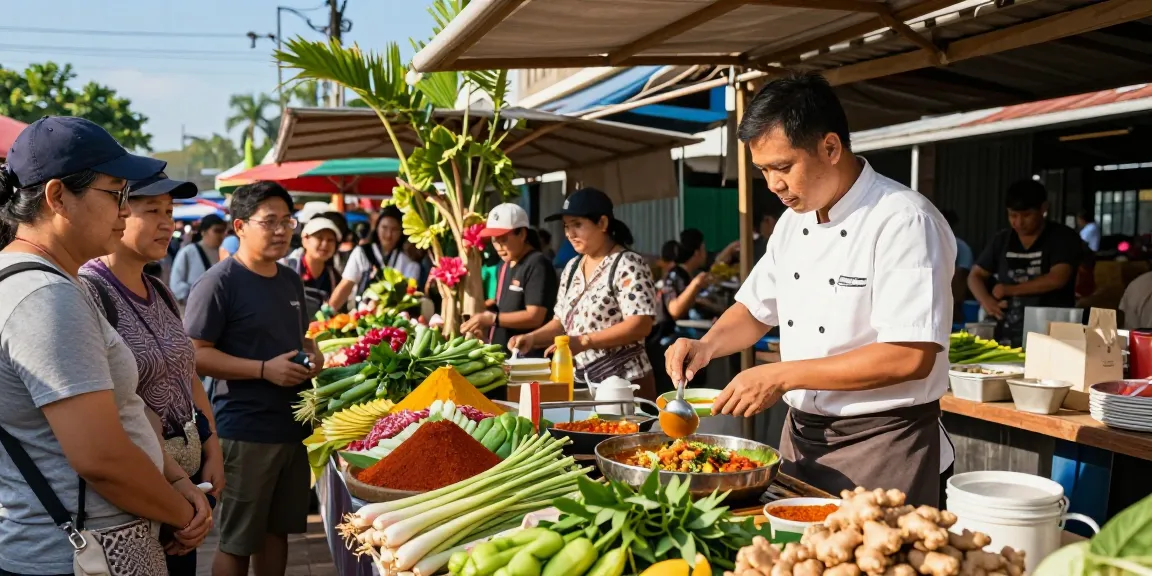
Understanding Thai Cuisine and Its Nutritional Value
Thai cuisine is celebrated around the world for its vibrant flavors, aromatic spices, and diverse ingredients. From spicy curries to refreshing salads, each dish presents a unique blend of tastes that embody the rich cultural heritage of Thailand. But beyond the deliciousness lies the nutritional value of its components. Understanding the health benefits associated with Thai food not only enhances its appreciation but also aids individuals in making informed dietary choices. When exploring options, สล็อตเว็บตรง provides comprehensive insights into the various nutrients present in traditional Thai ingredients, making it a valuable resource for health-conscious food lovers.
What Makes Thai Food Unique?
Thai cuisine stands out due to its harmonious balance of five fundamental flavors: sweet, sour, salty, bitter, and spicy. This complexity is achieved through a variety of herbs and spices, including fresh cilantro, lemongrass, and chili peppers, each contributing distinct flavor profiles. Additionally, the use of fresh ingredients, such as vegetables and proteins, ensures that not only are the meals flavorful, but they are also nutritious. The practice of preparing meals quickly at high heat helps preserve the vitamins and minerals in the ingredients, making Thai food both delicious and healthful.
Nutritional Benefits of Key Ingredients
- Fresh Herbs: Ingredients like basil, cilantro, and mint not only add flavor but are also packed with vitamins and antioxidants.
- Lemongrass: Known for its citrusy flavor, lemongrass aids digestion and has anti-inflammatory properties.
- Chilies: Rich in vitamins A and C, chilies can boost metabolism and improve heart health.
- Coconut Milk: While high in calories, coconut milk provides healthy fats that can aid in nutrient absorption.
Popular Thai Dishes and Their Ingredients
Some of the most iconic Thai dishes include Pad Thai, Tom Yum Goong (spicy shrimp soup), and Green Curry. Each dish reflects the core elements of Thai cooking—freshness, balance, and taste. For instance, Pad Thai combines rice noodles with tofu or shrimp, peanuts, and vegetables, while Tom Yum is a flavorful broth that emphasizes the use of herbs and spices. Understanding these components allows health enthusiasts to appreciate the nutritional benefits while enjoying the fabulous flavors of Thai food.
Exploring the Costs of Cooking Thai Food
Cooking at home can often be more economical than dining out, particularly when it comes to preparing traditional Thai meals. The price of ingredients can vary significantly depending on seasonality and location, affecting the overall cost of cooking. By understanding the ingredients and their typical market prices, you can budget more effectively for your meals.
Ingredients Breakdown: Pricing Analysis
The cost of key ingredients in Thai cooking plays a crucial role in determining the affordability of homemade meals. Ingredients such as rice, noodles, and vegetables are relatively inexpensive, while specialty items like certain fish sauces or coconut cream might be pricier. By identifying where to source these items, you can avoid unnecessary expenditure while ensuring that your cooking remains authentic.
Comparing Homemade vs. Dining Out Costs
While dining out can offer convenience, it often comes with a hefty price tag. Homemade meals typically cost considerably less, especially when prepared in bulk. Cooking in larger quantities allows for meal prepping, which can reduce waste and lower costs over time. Moreover, the added nutritional benefit of cooking at home often outweighs the convenience of takeout.
Seasonal Variations in Ingredient Prices
Seasonality affects not only the flavor of the ingredients but also their prices. Fresh vegetables and herbs can be cheaper during their peak harvest times, while imported goods could see price increases. Planning meals around seasonal ingredients can lead to more economical and tastier dishes.
Common Misconceptions About Thai Cooking
Despite its popularity, there are several misconceptions surrounding Thai cuisine that can deter people from trying it. Understanding these myths can encourage more home cooks to experiment with this delicious and nutritious food.
Is Thai Food Always Spicy?
One of the most common myths is that all Thai food is overwhelmingly spicy. While chili peppers are often used in many dishes, there are plenty of options available for those who are spice-sensitive. Dishes can be customized to meet personal spice preferences, ensuring everyone can enjoy Thai flavors.
Assumptions About Ingredient Availability
Another misconception is that authentic Thai ingredients are hard to find outside of Thailand. Many stores now carry a variety of these ingredients, and with the rise of online shopping, access has become easier than ever.
Myths Around Preparation Complexity
Many believe that preparing Thai food requires advanced cooking skills or long preparation times. However, many traditional dishes are designed to be simple and quick to prepare, making it accessible for cooks of all skill levels.
Best Practices for Budget-Friendly Thai Cooking
To enjoy Thai cuisine without breaking the bank, here are some strategic tips that can help you maximize your budget while still indulging in this vibrant cooking style.
Shopping Tips for Fresh Ingredients
- Visit local markets for fresh produce and herbs to avoid premium prices at supermarkets.
- Buy in bulk or family packs to save money on staples like rice and noodles.
- Take advantage of sales and seasonal produce for the best deals.
Batch Cooking and Meal Prep Strategies
Batch cooking is an efficient way to save time and money. Preparing large quantities of sauces or essential components (like curry paste) at once helps ensure you have ready-made items to incorporate into various dishes during the week.
Cost-Effective Substitutions for Thai Recipes
Don’t hesitate to substitute costly ingredients with more affordable options. For example, if fresh herbs like Thai basil are too expensive, you might use regular basil or cilantro instead without significantly changing the dish’s character.
Future Trends in Thai Cuisine and Food Costs (2026 and Beyond)
The world of culinary arts is ever-evolving, and Thai cuisine is no exception. As we look ahead, several trends are likely to shape how Thai food is prepared and consumed.
Impact of Sustainability on Ingredient Costs
As awareness of sustainability grows, more consumers are seeking eco-friendly ingredients. This demand may influence the costs of traditional Thai ingredients, particularly those that are imported or farmed unsustainably. Supporting local farms and suppliers can help mitigate these costs.
Emerging Trends in Thai Culinary Practices
Fusion styles incorporating global ingredients are becoming more common. This blend not only enhances the flavor palette but also introduces new and exciting dishes to traditional Thai cuisine, appealing to a broader audience.
How Technology is Changing Cooking Costs
The rise of kitchen gadgets and online grocery shopping is making cooking more efficient and accessible. Tools such as pressure cookers and food processors can automate time-consuming tasks, ultimately reducing food costs through less waste and more precise cooking.
What Are the Benefits of Cooking Thai Food at Home?
Cooking Thai food at home allows for greater control over ingredients and portion sizes, contributing to healthier eating habits. Furthermore, preparing meals in your kitchen can be a rewarding experience, offering an opportunity to bond with family and friends over shared culinary adventures.
How to Start Cooking Authentic Thai Dishes?
Begin your journey into Thai cooking by focusing on mastering a few staple recipes. Invest time in learning essential techniques, such as stir-frying and balancing flavors, and gradually experiment with more complex dishes as your confidence grows.
What Is the Role of Street Food in Thai Culture?
Street food is an essential component of Thai culture, offering unique flavors and affordable meals. Exploring local street food can inspire home cooks and deepen their appreciation for the country’s culinary heritage.
Will Thai Cuisine Trends Change by 2026?
As global influences continue to shape local cuisines, Thai cooking will likely incorporate new, innovative elements while remaining true to its roots. The challenge will be to maintain authenticity while adapting to changing consumer preferences.
